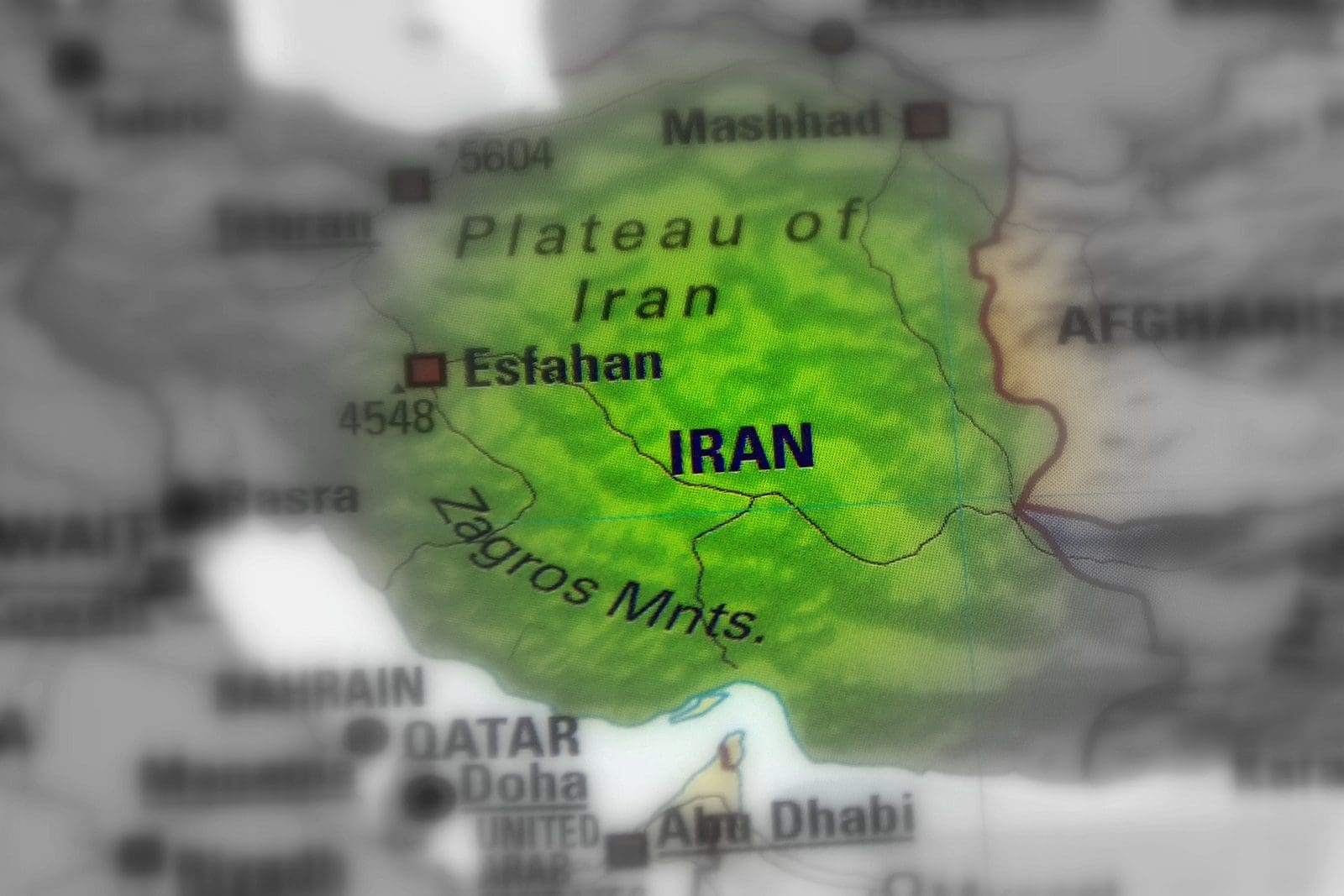
The Strait of Hormuz, a pivotal maritime chokepoint, has become a flashpoint of geopolitical tension as Iran asserts its defiance amid escalating crises in the region. This narrow waterway, which connects the Persian Gulf to the Gulf of Oman, is crucial for global oil transportation, with approximately 20% of the world’s oil supply passing through it. Iran’s recent actions and rhetoric signal a heightened willingness to confront both regional and international adversaries, particularly the United States and its allies.
Iran’s assertiveness can be attributed to a multitude of factors, including its desire to counter external pressures, particularly sanctions imposed by the U.S., and to project strength to domestic and international audiences. Tehran has repeatedly threatened to block the Strait in retaliation for perceived aggressions, including military exercises and naval maneuvers that demonstrate its capabilities. Such posturing is part of a broader strategy to leverage its geographic significance in the face of economic isolation and a weakened international standing.
The situation has further escalated due to the U.S. military’s increased presence in the waters surrounding Iran. This includes deploying additional naval assets to safeguard commercial shipping routes and bolster regional allies, particularly Gulf Cooperation Council (GCC) nations, who feel threatened by Iranian machinations. In response, Iran has heightened its surveillance and military readiness, conducting drills that simulate capabilities to disrupt maritime traffic. This tit-for-tat dynamic increases the risk of miscalculation, as naval encounters can quickly spiral into broader conflict.
Diplomatic efforts to de-escalate tensions have struggled to gain traction. The recent talks surrounding nuclear negotiations and sanctions relief have been stymied, leading to increased frustration on both sides. Iran, seeking to regain leverage, has engaged in provocative actions, including the seizure of foreign vessels and the harassment of naval operations. Such moves are calculated to reinforce its position in any future negotiations while simultaneously raising the stakes.
Moreover, Iran’s actions resonate with its regional allies and proxy groups, such as Hezbollah in Lebanon and the Houthis in Yemen, who view Iran’s defiance as a model of resistance against Western influence. This strategy not only consolidates Iran’s influence in the region but also complicates efforts by the U.S. and its allies to achieve stability in the Middle East.
With the global economy intertwined with the security of the Strait of Hormuz, the implications of Iran’s posture extend far beyond the immediate region. As tensions continue to simmer, the prospect of a broader conflict remains a looming threat, making the Strait a critical battleground for geopolitical power dynamics in the years to come.
For more details and the full reference, visit the source link below:
Read the complete article here: https://www.stl.news/iran-defiant-as-hormuz-crisis-deepens/